
3.3K
Downloads
397
Episodes
Sermons preached at the Hinckley Evangelical Free Church (Hinckley, MN)
Episodes

Sep 17, 2017
Sep 17, 2017
24 min
Loving Well: Words of Affirmation
Various Texts
Words of Affirmation
- Words are powerful tools
- They can build up or tear down
- As an act of love, words are to be used to encourage, strengthen, and nurture
- Words are both what is spoken and what is written
God as the Lover
- The Bible is primarily a love letter to us from God (Songs 2:4)
- What does He say about us?
- We are made in His image, and therefore of great value (Gen 1:26, 31)
- He is with us and for us (Deut 31:8; Rom 8:31)
Our Response of Love (John 10:27-29)
- We need to listen to His instructions, which are for our good (Isa 48:17-18)
- Our praise is a response to God’s love (Ps 63:3; 106:1; 117:2)
Loving Words to Each Other
- Encouragement rather than criticism (1 Thess. 5:11, 14; James 5:9)
- 20 good words are canceled out by 1 bad one!
- Concern rather than gossip (1 Cor 12:25-26; Pro 16:28)
- Correction rather than flattery (Pro. 25:12; Pro 27:6; Pro 28:23)
- Not just the words, but also the tone (Pro. 15:1; 25:11)
Words of Love to Our Community
- Sharing the Gospel is sharing God’s love
- Everything that applies to how we speak to other Christians should apply to how we show love to our neighbors
- Except we cannot expect non-believers to live by biblical truth
- We must model that before we can proclaim it
- Being known for what we are for more than what we are against
- 20 good words are canceled out by 1 bad one!
- Except we cannot expect non-believers to live by biblical truth
So What?
- Are we loving with our words?
- Speaking God’s truth
- Building others up
Meditation Verse: Ephesians 4:15
Sep 11, 2017
Sep 11, 2017
59 min
Loving Well: Love as Central
Various Texts
The Centrality of Love
- At the heart of the Gospel message is love (John 3:16)
- Which is true because love is one of the fundamental characteristics of God Himself (1 John 4:8, 16)
- As followers of Christ, we are called to be imitators of God (Eph. 5:1)
- And thus, should be known for our love as well (John 13:34-35)
- However, how do we love like Jesus?
What is Love?
- Biblically, love is NOT an emotion
- God never commands us to feel a certain way
- Love is NOT condoning the sinful actions of another (Rom. 12:9; Jude 1:21-23)
- Love is a choice
- To treat others as we would like to be treated (Luke 6:31)
- To put the needs of others before our own desires (1 Cor. 13:4-8a)
- Love is telling each other the truth (Eph. 4:15)
How Do We Love Well?
- We must understand that our concept of love must be informed by God’s character and truth (1 John 4:19; 2 Cor. 5:14)
- We must learn to love in a way that meets people as they are
- This is how God treats us
- Because God knows us fully (1 Cor. 13:12)
- Deeper knowledge à deeper love
- Including loving ourselves as an extension of knowing God’s great love for us (Mark 12:31)
- We are to love others in ways that fit who they are
- ) "Train up a child in the way he should go; even when he is old he will not depart from it." (Prov. 22:6)
- Literally, “Train up a child in his way”: a way that fits that child
- Which means loving in a way that the receiver can understand
- It is about speaking their language
- ) "Train up a child in the way he should go; even when he is old he will not depart from it." (Prov. 22:6)
- This is how God treats us
Love Languages
- There are 5 love languages that are generally recognized
- “The 5 Love Languages” by Gary Chapman
- Words of Affirmation
- Quality Time
- Gifts
- Acts of Service
- Physical Touch
- 6th language?
- We all give and receive love in each of these ways
- However, some forms are more effective for certain individuals than others
- The key is to know the languages that best speak to you and to others to love well
- A word on “dialects”
So What?
- We will spend the next 6 weeks looking at each of these languages so that we might understand:
- How God shows love to us in each way
- How we can love one another in each way
- And how we can love our community in each way
- Are we ready to learn how to love well?
Meditation Verse: John 13:34-35
Sep 4, 2017
Sep 4, 2017
48 min
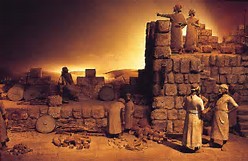
Nehemiah: Rebuilding A Community
The Big “So What?”
Nehemiah Recap
Prayerful & Thankful
- Throughout Nehemiah there is a focus on prayer
- Direction (1:4, 11)
- Wisdom (2:4; 5:7)
- Protection (4:9)
- Remembrance (5:19; 6:14; 13:14, 22b, 29, 31b)
- Praise (9:5b; 11:17; 12:8, 24, 27, 31, 38, 40, 46)
Centered in the Word
- The Israelites under Nehemiah were continually returning to God’s word for instruction (8:1-3, 7-9, 13-14, 18; 9:3; 10:28, 34, 36; 12:44; 13:3)
- Their response was immediate obedience (5:12; 9:38; 13:3)
- Even sacrificially (5:14-18; 10:32)
- Thus their work and lives were constantly being informed by God’s truth
- Not mere human opinion
Need Driven
- Nehemiah and the people saw needs and desired to be a part of meeting them
- God gave one person a vision that was cast and shared with the faith community
- The end result was to turn the whole community to God in worship (12:43)
Partnered with the Community
- Everyone got involved
- Not divided by background, age, or geography (3:22; 12:28)
- Did not differentiate between secular & sacred
- The wall was as integral as the Temple
- Awareness of temptation to compromise
- Not conformity
- Sabbath-keeping, intermarriage, etc.
- Set apart, but not live apart
- Not conformity
The Big ‘So What?’
- Questions this raises for us
- Are we being prayerful?
- Both individually and corporately
- How can we make pray and thanksgiving more central to who we are as a church?
- Are we staying centered in the Word?
- Are we testing everything against Scripture?
- Are we going deeper together?
- Are we looking to meet needs in our community?
- It shows Christ-like love, and thus fulfills the Great Commandment (Luke 10:27)
- It gives us the right to be heard by our neighbors
- Thus helping us fulfill the Great Commission (Matt. 28:19-20)
- “Nobody cares how much you know until they know how much you care.” –Teddy Roosevelt
- Are we partnering with our community?
- Collaborating where we can
- While not compromising who we are called to be
Meditation Verse: Matthew 5:16
Aug 28, 2017
Aug 28, 2017
39 min
The Reestablishing
- 1 - 3
- Read aloud from the book of Moses
- The word kept them grounded
- Guide for “right” living
- No Ammonites or Maobites
- Numbers 22 – 25, Duet. 23:3 -6
- Not a racial exclusion
- 4 - 9
- Nehemiah’s time away
- After acting as governor for 12 years
- Returns to King Artaxerxes
- Returns again to Jerusalem
- Eliashib ( a priest or THE High Priest)
- Opened up the temple to Tobiah
- Tobiah was an Ammonite
- Defiled the temple
- Removed the tithe for the priests and Levites
- Nehemiah knew how to deal with him
- Removed Tobiah’s belongings
- Had the temple cleansed
- 10 - 14
- Portion for the Levites had not been given to them
- They returned to their fields to survive
- Nehemiah reprimanded the officials
- They made it right
- He appoints his own people – considered reliable
- He ends with prayer
- 15 - 22
- They were not keeping the sabbath
- He again reminded them of the actions of their forefathers
- Nehemiah again had a solution
- He locked them out and threatened them
- Put his own people in charge again
- 23 - 31
- History repeats itself
- Intermarriage again an issue
- Referenced Solomon
- Losing their identity as “God’s people”
- Sworn enemies had found their way in
- Sanballat’s daughter – married into priestly line
- Tobiah given quarter in the temple
- Not by threats but by friendships
So What?
- What do we use to keep us grounded and focused?
- When we coast, we open ourselves up to bad judgement and then to sin.
- Friendship with the world
- Are we willing to provide another option
- Do we look just the unbelieving world around us?
Aug 21, 2017
Aug 21, 2017
40 min
Nehemiah: Rebuilding A Community
The Dedication
Nehemiah 12:1-47
The Priests & Levites (v. 1-26)
- A list of the priests & Levites:
- Under Zerubbabel (v. 1-11) (c. 538 BC)
- Under Joiakim (v. 12-26) (c. 444 BC)
- During the time of Ezra & Nehemiah (v. 26)
- References the Book of Chronicles as a source (v. 23)
- To show the continuity of the family lines for proper worship
The Dedication of the Wall (v. 27-43)
- Shortly after its completion, all of Israel dedicated the wall
- They saw it as God’s work
- And they made no distinction between the “sacred” and the “secular”
- The people marched around the city on top of the wall, which was 9 feet wide
- Half went clockwise, half went counter-clockwise starting at the Valley Gate
- They sang praises as they went
- They met in the Temple
- Where they offered sacrifices and more praise
The Temple Service (v. 44-47)
- The people committed to take care of the priests & Levites
- The people dedicated some to serve as professional singers in the Temple
- And committed to taking care of their needs
So What?
- When the work was done, they praised God
- And they promised to continue to praise and serve Him
- Do we see the work of rebuilding our community as God’s work that we get to share in?
- Making no distinction between ‘sacred’ and ‘secular’
- Do we have a commitment to serve Him as a testimony to those around us?
Meditation Verse: Nehemiah 12:43
Aug 14, 2017
Aug 14, 2017
42 min
The Repopulating (v. 1-2)
- Chapter 11 begins where Chapter 7 left off
- City was in need of repopulating
- Leaders were already in the city
- Directed by the people, not Nehemiah
- Need to bring people in from surrounding cities and the countryside
- Plan to bring 1 out of 10 to the city
- 10% a common theme – (Neh. 10:37 tithe)
- Plan was to cast lots
- Common practice in the OT
- No mention in the NT after Pentecost except in Acts 1:26 due to the Holy Spirit
- Jerusalem called the “Holy City”
- One of only 5 times in the OT
- A city “set apart” or “made holy”
- Those chosen by the lots had a choice
- Stay put and refuse to go
- Be apart of God’s bigger plan for the city
- Count the cost*
- Those that went were commended by the rest
The Background (v. 3-9)
- Tribe of Judah
- 468 able men (brave or valiant)
- Descendants of Perez
- Listed in the genealogy of David and Jesus in both Matthew and Luke
- Tribe of Benjamin
- 928 men
- Genealogy include Saul (King) and possibly Saul of Tarsus (Paul)
The Workers (v. 10–24)
- 1192 priests listed
- 822 “carried on the work of the temple”
- 242 “heads of families” – (Lay ministers)
- 128 “brave warriors”
- 284 Levites listed
- “Outside work of the temple”
- Musicians - Asaph
- Gatekeepers, temple servants, singers
The Cities (v. 25-36)
- A listing of cities surrounding Jerusalem
- Allies in times of trouble
- Places they turned to when repopulating the city
Aug 7, 2017
Aug 7, 2017
54 min
Nehemiah: Rebuilding A Community
The Covenant
Nehemiah 10:1-39
The Sealers & Swearers (v. 1-29)
- A list of those who sealed the Covenant scrolls is given:
- Nehemiah, the governor (v. 1)
- The priests (v. 2-8)
- The Levites (v. 9-13)
- The leaders of families (v. 14-27)
- Everyone swore an oath to obey God’s commands given to Moses (v. 28-29)
- Including calling down a curse on themselves if they failed to keep the Law
- See the curses in Deut. 27:15–26; 30:19
- Following the form of a suzerain covenant between a king and his vassals
- Including calling down a curse on themselves if they failed to keep the Law
The Specifics (v. 30-39)
- Not intermarry with foreigners (v. 30)
- Not about ethnicity
- ) Rahab & Ruth
- About being pulled away to false gods (Ex. 34:11–16; Deut. 7:1–4; 20:10–18)
- Not about ethnicity
- Keep the Sabbath (v. 31)
- Weekly, by foregoing commerce on that day
- Every 7 years, by giving the land rest (Ex. 23:10–11) and forgiving debts (Ex. 21:2–6; Deut. 15:1–2)
- Taking care of the Temple (v. 32-34)
- By giving money (v. 32-33)
- 1/3 shekel = $176 today
- $45 million/year (Neh. 7:66)
- This was for regular operations
- Not including other tithes and offerings
- By providing wood for the offerings (v. 34)
- 1/3 shekel = $176 today
- Taking care of the Priests & Levites (v. 35-36)
- Firstfruits= best of everything
- Levites & priests didn’t have land
- It was the rest of Israel’s job to take care of them
- 10% of everything went to the Levites
- The priests & the Temple were taken care of by the tithe of the Levites (Num. 18:25–32)
- By giving money (v. 32-33)
The Law’s Role for Us
- As followers of Jesus, we are under a different covenant than the Israelites were (Luke 22:20; 1 Cor. 11:25; 2 Cor. 3:6; Heb 7:22; 8:6, 8-10, 13; 9:15; 10:16; 12:24; 13:20)
- Thus, the Law does not directly apply to us
- However, it is still God’s word for us
- Because it shows us God’s character and concerns
- Christians are called to not marry non-Christians (1 Cor. 6:14)
- So that we are not pulled away from our devotion to Christ
- Christians are called to enter into the Sabbath rest provided by Jesus (Heb. 4:9-11)
- Which, in practice, means taking time to rest from our work
- Christians are called to take care of the Temple of God
- The Church as a people (1 Co 3:16-17; 6:19; 2 Cor. 6:16; Eph. 2:21; 1 Pet. 2:5)
- Including those in full-time ministry (1 Cor. 9:9ff; 1 Tim. 5:17-18)
- Including giving to fund the ministries of the Church (2 Cor. 9:7)
So What?
- The people committed themselves to obey God fully
- Are we committed to do the same?
- Or do we pick and choose how we are obedient?
Meditation Verse: Nehemiah 10:29
Jul 31, 2017
Jul 31, 2017
31 min
Nehemiah: Rebuilding A Community
The Penitence
Nehemiah 9:1-38
The Penitence (v. 1- 5)
- Another gathering after the Feast of the Tabernacles.
- This takes place 2 days after the feast
- Transition from time of rejoicing to repentance
- As in chapter 8, this is led by the people
- Fasting
- Wearing sackcloth *
- Dust on their heads
- Separated themselves from foreigners
- Covenant between God and Israel
- Group confession and acknowledged sins of their forefathers.
- Stood and read from the Book of the Law
- 3 hours of reading
- 3 hours of confession and worshiping
The Retelling (v. 6-31)
- The prayer begins with recognizing who God Is
- He is the everlasting
- He is the author of creation
- They recount the story of the Israelites
- God chose Abram/Abraham
- God made a covenant and kept his word
- Heard the cry of the people in Egypt
- Exodus: Theme of the Old Testament
- God gives the people the law (v. 13)
- They recognize them as just and right
- Not negative but “how to” for Godly living
- God meets their physical need
- But, they turn their backs on God
- Arrogant and stiff necked
- Appoint their own leader
- Made idols to worship instead of God
- God never left them: Compassion
The Response (v. 32-38)
- They understood why they were where they were
- It was their sin that got them in captivity
- It was their rejection of God
- He always took them back according to his covenant with them
- They took an oath
So What?
- Do we recognize that it is our choices and behavior that separates us from God?
- He never leaves us
- Does the past give us reason to give him praise or and excuse to blame him for the tough spots?
- In a hurting community desperate for hope, what should this mean to the church?
Meditation Verse: Nehemiah 9:33
Jul 24, 2017
Jul 24, 2017
39 min
Nehemiah: Rebuilding A Community
The Celebration
Nehemiah 8:1-18
A Return to the Word (v. 1-8)
- After the work on the walls had been completed
- The community turns to God in worship
- The call to worship God comes from the ‘people’
- This worship centered on refocusing on God’s truth revealed in His word
- The book that Ezra read was probably Deuteronomy
- The reading was 6 hours long (v. 3)
- The whole community was involved
- Men & women
- Young & old
- The learned & unlearned
- Lay leaders (v. 4) & Levites (v. 7)
- The latter explaining what the text meant to the crowd as it was read (v. 8)
- The people responded by (v. 6):
- Lifting their hands in worship = showing a sense of need
- Saying, “Amen! Amen!” = affirming their submission to the authority of Scripture
- Bowing down to the ground = a sense of humility and submission before God
A Day to Celebrate (v. 9-12)
- As the people heard God’s word read, they wept and mourned
- Realizing that they had failed to keep it
- But Nehemiah, Ezra, and the leaders call them to rejoice instead
- Because God had shown His goodness to them despite their sin
- This also involved fellowship offerings and sharing in a communal meal (v. 10-11)
- With the wealthy sharing with the poor
A Time to Remember (v. 13-18)
- On the 2nd day of celebration, the heads of each family gathered to study God’s word
- This led them to realize that the Feast of Booths was approaching (15th day of the 7th month)
- Though it had not been celebrated properly* since the time of Joshua (v. 17)
- The Feast of Booths (see Lev. 23:33–43, Deut. 16)
- A harvest festival celebrating God’s provision
- This aspect was celebrated throughout the reign of faithful kings (2 Chron. 8:13; 31:3; 35:18)
- A time to reflect on God’s guidance of His people through the 40 years in the wilderness
- Living in tents like their ancestors had
- This had been neglected, but now had new meaning as the Israelites returned from the Exile
- A harvest festival celebrating God’s provision
So What?
- As God focused His people on His work
- They celebrated
- They refocused on His word
- They remembered His goodness
- Are we doing the same?
Meditation Verse: Nehemiah 8:8
Jul 17, 2017
Jul 17, 2017
37 min
Nehemiah: Rebuilding A Community
The People
Nehemiah 6: 15 – 7:73
The People (v. 15 – 19)
- The walls were finished
- 25th of Elul – End of Sept. / Beg. of Oct., 445 BC
- 52 days after beginning the building process
- 1 simple verse to acknowledge this
- News traveled quickly to surrounding nations
- They were afraid and lacked confidence
- Not because of the determination of Nehemiah
- They could see that this was accomplished by God through the people
- 17 shows that all was not well with all of the Jews
Many of the nobles had economic and political agreements with Tobiah
Tobiah stayed in contact with them through the whole building process
The nobles tried to influence Nehemiah and Tobiah tried to intimidate him to no avail
Life after building (v. 7: 1 – 5)
- Walls were done but needed the gates
- Gates were made of wood and were very heavy
- This secured the city from the outside world
- Gatekeepers, musicians and Levites appointed
- First thing Nehemiah did was to delegate responsibility to others
- First he gave authority to Hanani, his brother
- Then to Hananiah, the commander of the citadel
- “He was a man of integrity who feared God more than most do”
- Wisdom in who he gave authority to:
- Trustworthy
- Integrity
- Feared God
- Gives clear direction about what should be done
- Gates open a limited time
- Appoint guards for the walls
- By their houses
- City is safe but underpopulated
- God puts in Nehemiah’s heart the registration of the people
- Genealogical record found (Ezra 2: 1 – 70)
- The record varies slightly with that in Ezra Chapter 2
- This helped to prove claims to citizenship as well as priestly claims
- Tobiah had no proof and was told that
- He recounts their giving for the rebuilding: (v. 70 – 72)
- Three groups giving mentioned:
- First is the governor
- Second are the Heads of families
- Third are the people
- 41,000 drachmas of gold or roughly 1,133 lbs
- 4,200 minas of silver or roughly 6,300 lbs
- 597 garments for the priests
So What?
- What is our view of success? Do we view things in the short term or have a long range view?
- Is our desire to expand God’s Kingdom here on earth? If so, what are we willing to do about that?
- What are the things in our life that come before doing the work of God? Family, comfort,
stuff?
Meditation Verse:
Philippians 2:4, ESV
"Let each of you look not only to his own interests, but also to the interests of others."